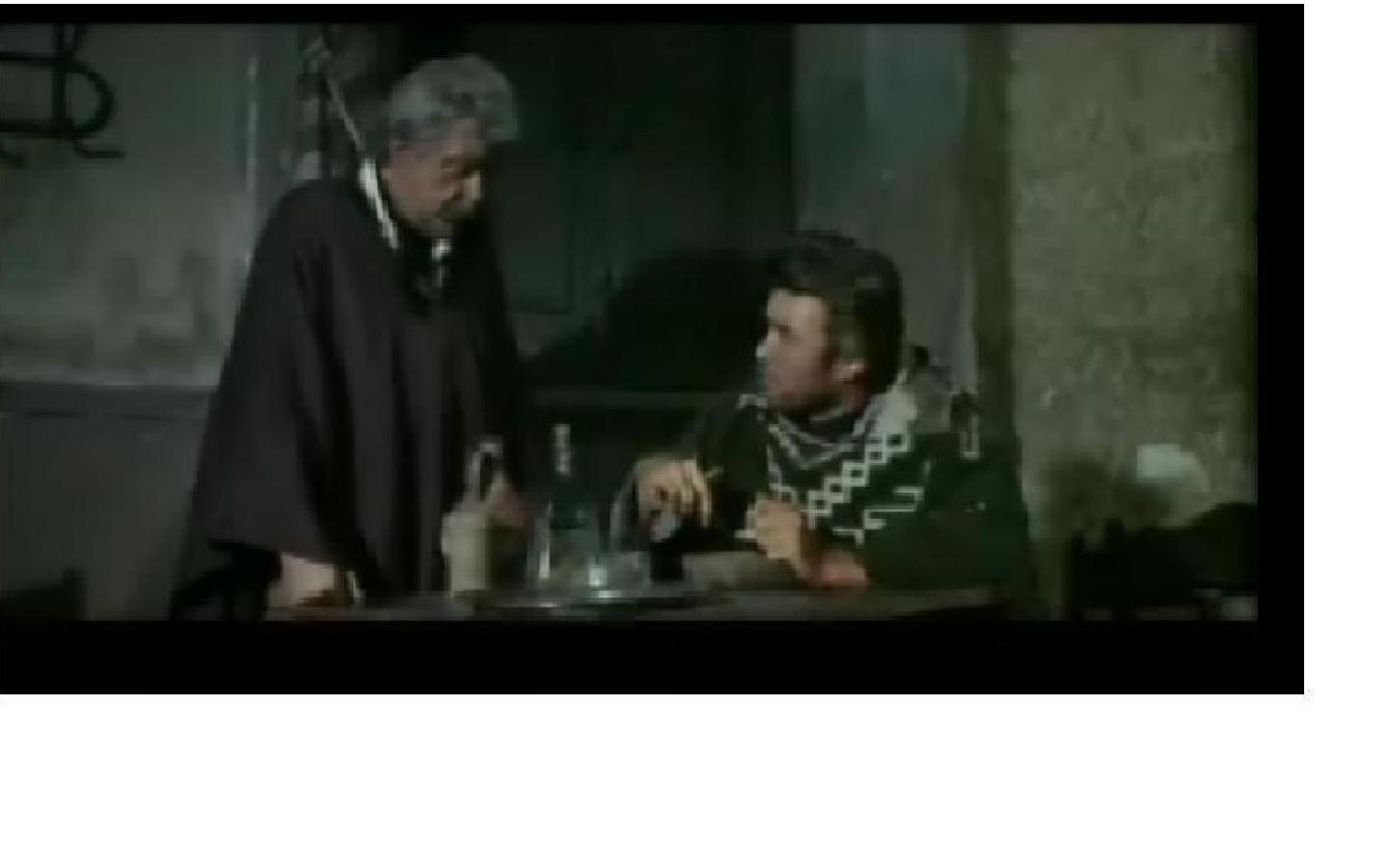
Nuovomondo (2006) is a film directed by Emanuele Crialese. Crialese has done a wonderful job with this film in representing the journey of a family immigrating from their small village in Sicily to the United States of America. He starts the film with two men holding rocks in their mouth. This opening scene is characterized by silence and mystery. The theme is composed of the mountains that the characters are climbing and also their dirty clothes along with them walking beare feet. The two characters, Salvatore Mancuso (Vincenzo Amato ) and his son walk up the mountain with the rocks in their mouth to pay as a token to the holy place.

This is where Salvatore asks whether he should leave Sicily or stay. He is then shown pictures from his younger child showing money growing on trees, gigantic carrots and chicken that are ten times bigger than normal, and takes this as a sign from above to depart for the new world. This is an important aspect of the film as it develops and initiates an imaginative world that these people are about to depart into. The imagination of the new world from Salvatore’s prospective will be leading the film and will open the doors to the viewers imagination as to what these immigrants belief of their new world is. This will the skeleton of the film, which will keep the viewers to continue thinking of how the story will continue even after it has been watched. When leaving their village, Salvatore brings with him his mother Fortunata (Aurora Quattrocchi) who is the village doctor and has certain which powers which uses against curses, his two sons and two other women who are to be married in America.
The Boat Trip

Upon arrival at the shipyard, Salvatore and his family go through the standard procedure of getting the documentation ready to depart. While waiting, a mysterious English woman appears and acts as if she travels with them. Her name is Lucy (Charlotte Gainsbourg ) and although she has nothing to do with the Mancuso family, Salvatore is enchanted by her beauty and therefore acts as if she really is part of the family. She plays a big role throughout the film in Salvatore’s imagination of being his wife and partner upon arrival to the new world. Her classy dressing and behaviour also catches the attention of all the women on the ship, to whom she becomes as an ideal female from a stylish prospective. Lucy becomes a symbol in the film, for the characters she assumes the transition that allows them to witness what the new world will hold for them, whereas the viewer gains knowledge of the reason why the immigration is occurring and what the rest of the characters aspired to be.

The long journey begins on the boat as everyone sees it leaving the coast of Sicily. Everybody is nervous, sad, and worried simultaneously since they leave everything they have and know, to go into a world that they have only heard about. Throughout the boat trip the viewer sees compassion between everyone on the boat as if they are a big family going towards the same goal instead of separate people following their personal journey. This unity among the third class poverty is interrupted by an upper class travelling to America and Miss Lucy. The dissonance of the upper class travellers appears in many cases towards an interest in Miss Lucy, who has attracted everyone’s attention due to her beauty and tactful dressing. Due to the same reason she catches attention she becomes dislikes by most of the women and men in the third class. A group of men keep on trying to bribe her by telling her that they will find her a husband, apparently in return for sexual favours. Many rumours spread throughout the boat about this English woman who is travelling alone, but this does not stop the way Salvatore feels about her, which in an instance, when he hears the other men speak of Lucy becomes protective of her as if she really is travelling with his family. Throughout the trip Lucy starts to become interested in Salvatore instead of the other men who keep bribing her, and she begins to flirt with him. Shortly upon arrival to Ellis Island Lucy asks Salvatore to marry her. Salvatore immediately replies to her by saying that he would be honoured, but she tells him that she does not want to marry him because she loves him. Lucy only wants to marry him so she can get into United States but he tells her that he would marry her anyway and replies to her statement saying that love takes time to grow on people. Lucy creates for the immigrants the idea of perfect from an appearance point of view and simultaneously she breaks their perfect marriage, rules and cultural standard ideologies which many of the Italian immigrants have grown up with and live by. Since she does this right before getting off the ship, the viewer gets the hint that the new world might not be as perfect as everyone believes and the culture that one came with will start an immediate “mutation”.
The New World
When arriving in Ellis Island, there is a fog, which clouds any opportunity for anyone to see what will come ahead of them. When everyone comes off shore, they are separated and put into different groups. The authorities start differentiating them based on their intelligence, knowledge and usefulness that each separate individual has. The differentiation is used to see whether they are good enough to enter and live in the United States, since the authorities believe that intelligence is spread through genetics. Whoever does not pass the test is sent back to the old country, while the people who are deemed “worth it” or needed remain in America. Throughout these tests, Lucy reveals her identity as an English woman, and is threatened by the authorities who tell her that it is very uncommon for a single English woman to travel with Italians. Salvatore’s younger son who is deaf and mute also is threatened to be deported because of his handicap which the Ellis Island authorities feel that he might somehow transmit. While being tested by the customs, none of the immigrants get to see the new world except in an instance when Salvatore climbs himself up a window and sees enormous, unfamiliar buildings. Despite him looking outside the window the viewer does not get to see anything, and this is another trick that Crialese uses to leave space to the imagination of whoever is watching the film. Most likely this is because any immigrant that watches it, will be able to relate their own personal experience and feel all the emotions represented in Nuovomondo. Salvatore finally obtains permission to marry Lucy, but he is faced with the problem that authorities want to deport his mother and his son. As he is told this news, Fortunata takes her grandson’s curse of being deaf and lets him tell his father that she wants to go back home since she does not find America a world where she belongs in.
 Despite him looking outside the window the viewer does not get to see anything, and this is another trick that Crialese uses to leave space to the imagination of whoever is watching the film. Most likely this is because any immigrant that watches it, will be able to relate their own personal experience and feel all the emotions represented in Nuovomondo. Salvatore finally obtains permission to marry Lucy, but he is faced with the problem that authorities want to deport his mother and his son. As he is told this news, Fortunata takes her grandson’s curse of being deaf and lets him tell his father that she wants to go back home since she does not find America a world where she belongs in.
 The End
The film ends with an imaginary sequence that Salvatore has throughout the entire trip about being with Lucy and his family in a river of milk. It is accompanied with the rest of the people that came along for the trip, which once again shows the unity towards the same dream and goal. There are no scenes representing the new world these people travelled for and Crialese uses this as a closing scene to allow the film to proceed in each individual’s mind as they would like to portray it. This way of ending the film is extremely artistic since it leaves it open to each viewer’s imagination even after the film is over.

Extra Sources:
Nuovomondo Review:
Biography of Emanuele Crialese: